Integrating the Easter Egg with Rabbit Template into Your Creative Workflow
In the world of digital fabrication and laser cutting, efficiency is not just about speed; it is about precision, compatibility, and the seamless transition from concept to physical object. For creators, small business owners, and hobbyists who rely on consistent output, having a reliable asset library is crucial. The Easter Egg with Rabbit Template serves as more than just a seasonal decoration; it represents a standardized approach to multi-layered design that can be integrated into broader production workflows. Whether you are preparing for a spring market, creating educational materials, or simply refining your laser cutting skills, understanding how to utilize this intricate file effectively can save time and reduce material waste.
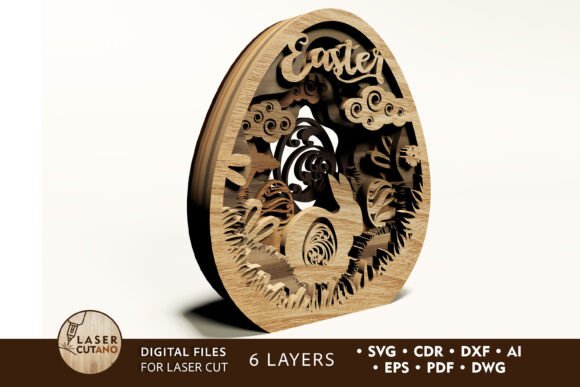
This template features a stunning multi-layer Easter decoration designed as an egg-shaped 3D model. It showcases layered details including a bunny, Easter eggs, grass, and clouds, all capped with the word "Easter" in a beautiful script font. By examining the technical specifications and practical applications of this design, we can better understand how such assets fit into a professional or semi-professional creative process.
Understanding the Technical Specifications
Before integrating any digital asset into your workflow, it is essential to understand its structural requirements. The finished product of this specific template measures approximately 6.2 by 7.3 inches. This size is ideal for tabletop displays, gift tags, or wall hangings, making it versatile for various end-use cases. The design consists of six distinct layers, which is a critical factor when planning your material usage and assembly time.
The recommended material thickness ranges from 3 to 6 mm (approximately 1/8 to 1/4 inch). This range is standard for many laser cutters and allows for flexibility in material choice. You can use plywood, MDF, acrylic, plexiglas, metal, cardboard, or paper. However, the choice of material significantly impacts the final aesthetic and the technical settings required for cutting. For instance, using plywood will give a rustic, natural look suitable for home decor, while acrylic offers a modern, vibrant finish ideal for retail displays.
One of the most significant advantages of this template is its file compatibility. The downloadable zip folder contains files in multiple formats: .AI, .SVG, .DXF, .DWG, .CDR, .EPS, .PDF, and .XCS. This broad compatibility ensures that regardless of your preferred design software—whether it is Adobe Illustrator, CorelDRAW, AutoCAD, or specialized laser software like LightBurn or RDWorks—you can import the file without needing complex conversions. This eliminates a common bottleneck in creative workflows where file incompatibility leads to lost detail or extra preprocessing time.
Pre-Production Planning and Material Selection
Effective use of the Easter Egg with Rabbit Template begins long before the laser is activated. Proper preparation involves selecting the right material based on the intended audience and environment. If you are producing items for outdoor use or high-traffic areas, durable materials like acrylic or treated plywood are necessary. For indoor decorative pieces or lightweight gifts, cardboard or thin wood may suffice.
When working with six layers, alignment becomes a primary concern during the planning phase. You must ensure that your material sheets are flat and free from warping, as even slight deviations can cause misalignment in the final 3D structure. It is advisable to perform test cuts on scrap material of the same thickness to calibrate your laser’s power and speed settings. This step is crucial for achieving clean edges, especially when cutting intricate details like the script font or the fine lines of the bunny’s ears.
Organization is another key element. Since the file includes multiple layers, labeling each cut piece immediately after processing can prevent confusion during assembly. Using masking tape to mark layer numbers on the back of each piece is a simple yet effective method to maintain order, particularly when handling multiple units simultaneously.
Integration into Production Workflows
For entrepreneurs and small business owners, this template can be seamlessly integrated into seasonal product lines. The multi-layer design adds perceived value, allowing for higher pricing points compared to single-layer cuts. During the production phase, batch processing is recommended. Cut all layers for multiple units at once rather than assembling one unit at a time. This approach maximizes machine uptime and minimizes the setup time associated with changing materials or adjusting focus.
Educators and workshop leaders can also leverage this template for teaching purposes. The six-layer structure provides an excellent opportunity to demonstrate principles of depth, shadow, and assembly. Students can learn about tolerance gaps—the small spaces between parts that allow them to fit together without glue—and how different materials behave under laser heat. By using a template that is already optimized for these factors, instructors can focus on teaching technique rather than troubleshooting design errors.
Marketers and content creators might use the finished product as a prop for social media content or email campaigns. The visual appeal of the layered bunny and egg design captures attention and conveys a sense of craftsmanship. When photographing the item, consider lighting that highlights the depth between layers, emphasizing the 3D effect. This visual strategy can enhance engagement rates and drive traffic to your online store or portfolio.
Assembly and Quality Control
Assembly is the final stage where the digital design becomes a tangible object. With six layers, precision is paramount. Start from the base layer and work upwards, ensuring each subsequent layer aligns perfectly with the one below. For materials like plywood or MDF, a small amount of wood glue may be necessary to secure the layers, especially if the fit is loose due to material variance. For acrylic, solvent bonding or double-sided adhesive tapes designed for plastics are often more effective.
Quality control should occur at each stage of assembly. Check for any burn marks or excessive charring, which may indicate that the laser settings were too aggressive. Inspect the edges for smoothness; rough edges may require light sanding, particularly on wood. Ensure that the script font "Easter" is securely attached and aligned centrally, as this is the focal point of the design. Any misalignment here can detract from the overall aesthetic.
Consistency is vital if you are producing multiple units. Establish a standard operating procedure for assembly, including drying times for adhesives and cleaning methods for removing residue. This ensures that every product meets the same high standard, reinforcing your brand’s reputation for quality.
Long-Term Use and Asset Management
Beyond the immediate project, the Easter Egg with Rabbit Template serves as a valuable asset in your digital library. Save the original files in a structured folder system, categorized by holiday, theme, or complexity. This organization allows for quick retrieval in future projects. Additionally, consider documenting the successful laser settings for each material type used. Creating a reference sheet with power, speed, and frequency settings for plywood, acrylic, and other materials can significantly reduce setup time for future runs.
As trends evolve, you may find ways to modify the template. For example, changing the color of the acrylic layers can create entirely new visual effects without altering the design itself. Experimenting with mixed materials, such as combining wood bases with acrylic tops, can also yield unique results that differentiate your products in a crowded market.
In conclusion, the Easter Egg with Rabbit Template is more than a decorative item; it is a tool for efficient, high-quality creative production. By understanding its technical specifications, planning material usage carefully, integrating it into streamlined workflows, and maintaining strict quality control, you can maximize its value. Whether you are a seasoned professional or a passionate hobbyist, this template offers a reliable foundation for creating stunning, multi-layered decorations that resonate with audiences and stand the test of time.