Mastering the Delicate Charm of Tobi Handmade Light for Professional Design
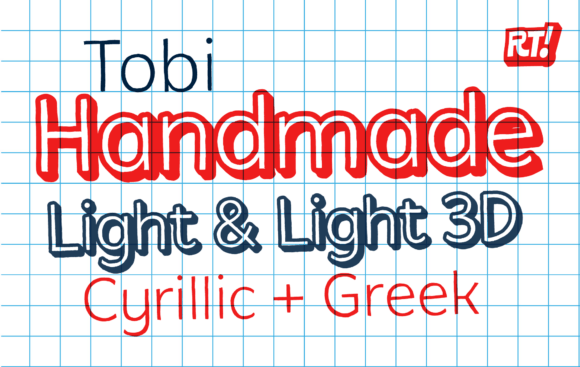
Choosing the right typeface is often the difference between a design that feels amateurish and one that communicates trust and creativity. Tobi Handmade Light has emerged as a favorite among designers who need a clean, playful aesthetic without sacrificing readability. This font duo, featuring both a standard Light style and a unique Light 3D variant, offers a hand-drawn quality that feels approachable yet polished. However, many creators make critical errors when integrating such distinctive typography into their projects, leading to visual clutter or miscommunication.
Understanding the nuances of this typeface can help you avoid common pitfalls. Whether you are designing wedding invitations, packaging for artisanal goods, or branding for a lifestyle blog, knowing how to wield Tobi Handmade Light effectively ensures your message lands with clarity and charm.
The Misunderstanding of "Light" Weight in Digital Spaces
One of the most frequent mistakes designers make is underestimating how screen resolution affects lightweight fonts. The "Light" designation in Tobi Handmade Light refers to its delicate stroke width. While this looks elegant on high-resolution prints or retina displays, it can vanish on lower-quality screens or when used at small sizes.
Common Error: Using the font for body text in mobile apps or small-print footnotes.
Better Approach: Reserve the Light style for headlines, large subheaders, or decorative elements where the letters have room to breathe. If you must use it for smaller text, increase the line height and letter spacing to improve legibility. Always test your design on multiple devices before finalizing. The goal is to maintain the airy, handmade vibe without forcing users to squint.
Overusing the 3D Effect
The included Light 3D style is a standout feature, adding subtle depth that makes text pop. However, novelty often leads to overuse. Some designers apply the 3D effect to entire paragraphs or complex logos, resulting in a muddy, hard-to-read mess. The 3D aspect is designed for emphasis, not endurance.
- Mistake: Applying the 3D style to long sentences or detailed information.
- Consequence: Visual fatigue for the reader and a loss of the font’s friendly character.
- Solution: Use the 3D variant sparingly for single words, short titles, or call-to-action buttons. Pair it with the flat Light style for supporting text to create a balanced hierarchy.
For example, if you are designing a packaging label for organic soap, use the 3D style for the brand name to give it a tactile feel, but stick to the flat Light style for the ingredients list. This contrast guides the eye naturally and maintains the premium, handmade aesthetic.
Ignoring Multilingual Capabilities
A significant advantage of Tobi Handmade Light is its full support for Cyrillic and Greek alphabets. Many designers overlook this feature, assuming handwritten fonts are limited to basic Latin characters. This oversight can limit the reach of your designs or force you to mix incompatible typefaces for multilingual projects.
If you are working with clients in Eastern Europe or Greece, failing to utilize the native glyph support can result in inconsistent branding. Instead of switching fonts for different languages, leverage the comprehensive character set. This ensures that the playful, delicate tone remains consistent across all markets. Before purchasing or downloading, always verify the specific glyphs you need, but rest assured that this font duo is built for global versatility.
Clashing with Incompatible Pairings
Because Tobi Handmade Light has a distinct personality, pairing it incorrectly can undermine its effectiveness. A common error is combining it with other decorative or handwritten fonts. This creates visual competition rather than harmony. The human eye struggles to process two competing informal styles simultaneously.
Recommended Pairings:
- Clean Sans-Serifs: A geometric sans-serif provides a stable foundation that lets the handmade font shine as an accent.
- Classic Serifs: For a more traditional or literary feel, pair it with a high-contrast serif font. This works exceptionally well for book covers or editorial layouts.
By keeping the supporting typography neutral, you preserve the approachable aesthetic of Tobi Handmade Light without overwhelming the viewer. Remember, the font is the star; everything else should play a supporting role.
Neglecting Color and Background Contrast
The lightweight nature of this font means it relies heavily on contrast. Placing it over busy backgrounds or low-contrast colors renders it invisible. Designers often fall in love with the shape of the letters and forget the importance of negative space.
To avoid this, ensure there is ample padding around your text. If using the font on photography, consider adding a subtle overlay or shadow to separate the text from the image. The 3D style can help here, as the added depth creates natural separation, but the flat Light style requires careful background management. Always check your design in grayscale first; if the text disappears, your contrast is insufficient.
What to Check Before You Commit
Before integrating Tobi Handmade Light into your next project, take a moment to evaluate your specific needs. Ask yourself:
- Is the primary medium print or digital? This determines how much you can rely on the fine details of the Light weight.
- Do I need multilingual support? Confirm that the Cyrillic and Greek glyphs match the aesthetic of the Latin characters.
- What is the hierarchy? Plan where the 3D effect will add value versus where the flat style provides clarity.
Making these considerations early prevents costly revisions later. Whether you are a freelancer pitching to a new client or a small business owner updating your logo, thoughtful application of this font duo enhances professionalism. It transforms a simple design choice into a strategic communication tool.
Ultimately, Tobi Handmade Light is more than just a pretty typeface. It is a versatile tool that, when used with intention, adds warmth and personality to your work. By avoiding these common mistakes and focusing on clarity, contrast, and appropriate pairing, you can harness its full potential. The result is a design that feels both handmade and highly professional, connecting with your audience on a personal level while maintaining the highest standards of visual communication.